
Evidence Integrity and How it Affects the Case and the Victim

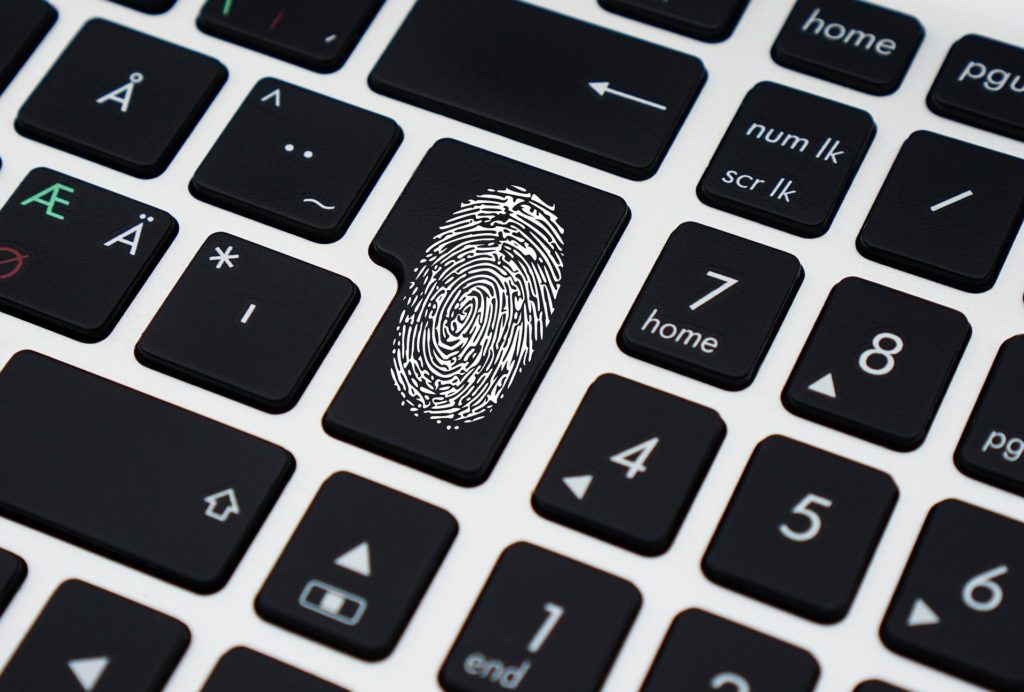
In order for the investigative evidence to be upheld in court as ‘best evidence’, methodologies and technologies have become developed for investigators to adhere to, in order that the evidence can satisfy the strict scrutiny of evidence as mandated by court rules. As time has progressed from the 1980s, data is now extracted from numerous devices, such as; computers, computer networks, offsite data storage networks, data cloud storage, cell phones, digital pads and tablets, loose media storage devices (thumb drives, diskettes, CD-ROMs, DVDs, etc.), automobiles, surveillance cameras, the Internet of Things (IoT) such as Echo and Alexa and other devices, drones, and many other devices that can store electronic data. Therefore, the term ‘Computer Forensics’ is now referred to as ‘Digital Forensics’.

Hey, this is a security check. Please re-enter your login details to proceed to your content. We use security checks to make sure our members…
Please confirm you want to block this member.
You will no longer be able to:
Please note: This action will also remove this member from your connections and send a report to the site admin. Please allow a few minutes for this process to complete.